Fuelling the Frontline: Easy Nutrition for Nurses by an Accredited Practising Dietitian
August 10, 2026Beyond the Menu: Why Dietitians Are Essential in Aged Care
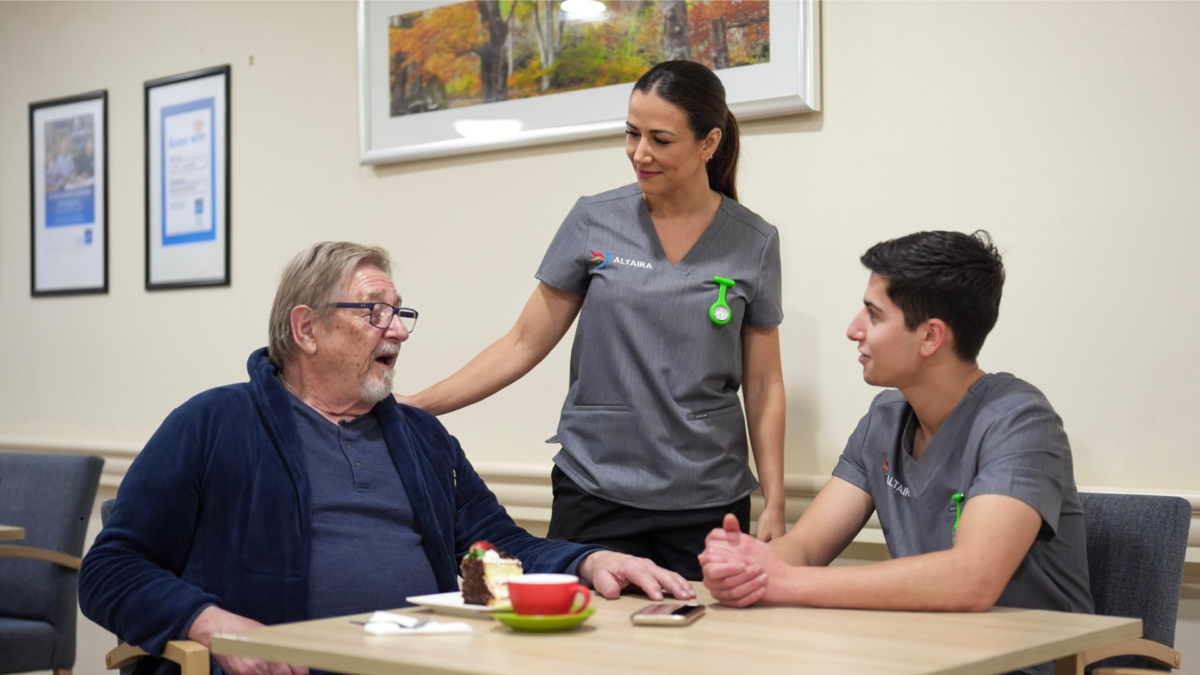
Hear from one of Altaira’s Accredited Practicing Dietitians, Caitlin Mc Manus.
Working in aged care has taught me that food is never just food – it’s comfort, dignity, connection, and often one of the greatest daily pleasures for the people we care for. But it’s also one of the most complex aspects of ageing. Nutrition needs shift, medical conditions evolve, and every resident brings their own history, preferences, and challenges to the table.
This is exactly why dietitians are so vital in aged‑care settings. We look far beyond the menu – we look at the whole person. Our role is to ensure every resident receives safe, meaningful, and clinically sound nutrition care that supports healthier ageing and a better quality of life.
At Altaira, our dietetic services are built specifically for the realities of residential aged care. As the dietitian leading this work, I focus on a collaborative, practical, and person‑centred approach that supports residents, families, and staff through the nutritional challenges that come with ageing.
Nutrition in Aged Care: More Than Just Serving Meals
One of the first things I explain to families and staff is that nutrition in later life is rarely straightforward. Appetite changes, chronic conditions accumulate, and chewing, swallowing, or digesting food can become more difficult. Yet this is the very stage of life where good nutrition matters most – for immunity, mobility, cognition, and overall wellbeing. Dietitians bring the clinical expertise needed to navigate this complexity. We understand how medications, health conditions, functional limitations, and personal preferences interact, and we tailor strategies that work in the real world – not just on paper.
My work at Altaira is grounded in this holistic mindset. I partner closely with residents, carers, nursing teams, speech pathologists, and other allied health professionals to create nutrition plans that genuinely fit the individual.
Supporting Residents with Complex Needs
Many older adults live with multiple medical and functional challenges, and nutrition is often deeply intertwined with these issues. As a dietitian, I’m trained to assess these complexities and translate them into practical, achievable solutions.
I frequently support residents with:
- Texture modification and dysphagia: Ensuring safe swallowing while still preserving the joy of eating.
- Enteral nutrition: Managing feeding tubes when oral intake isn’t possible or adequate.
- Multiple chronic conditions: Tailoring nutrition plans that consider diabetes, heart disease, cognitive decline, frailty, and more.
These situations require clinical judgement, ongoing monitoring, and a deep understanding of the ageing process. They can’t be solved by simply adjusting a menu.
Early Identification and Management of Malnutrition
Malnutrition is one of the most significant – and preventable- risks in aged care. It can lead to:
- Unintended weight loss
- Muscle wasting and frailty
- Increased infections
- Slower wound healing
- Reduced mobility and independence
Through Altaira, I conduct comprehensive nutrition assessments that include detailed histories, physical evaluations, and risk screenings. From there, I develop strategies that are realistic, resident‑centred, and aligned with facility routines. My goal is always sustainable improvement, not quick fixes.
Enhancing Quality of Life Through Individualised Meal Planning
Food is deeply personal, especially in later life. A meaningful nutrition plan must honour:
- Cultural background
- Lifelong habits
- Food enjoyment
- Appetite patterns
- Social mealtime routines
I work closely with residents and staff to design meal plans that respect these elements. Whether it’s incorporating a favourite breakfast, adjusting meal timing, or finding culturally familiar options, these small details can make a big difference. When residents feel heard and supported, their dignity, autonomy, and enjoyment around food naturally grow.
Nutrition Support for Wound Healing and Pressure Injuries
Pressure injuries remain a major clinical challenge in aged care, and nutrition plays a crucial role in healing. Adequate protein, hydration, and micronutrients are essential for tissue repair.
I assess nutritional gaps and collaborate with nursing teams to implement targeted strategies – whether that’s fortified meals, oral nutrition supplements, hydration support, or high‑protein options tailored to swallowing ability and appetite. The aim is always the same: reduce discomfort, support healing, and improve quality of life.
Supporting Residents with Dementia‑Related Eating Changes
Dementia can profoundly affect eating behaviours. I often see residents who:
- Forget to eat
- Experience changes in taste or smell
- Struggle with utensils
- Reject previously enjoyed foods
- Eat repetitively
- Become distressed or distracted during meals
Understanding these behavioural and sensory changes is essential. I work with carers to create calmer mealtime environments, simplify choices, adjust textures, and adapt flavours to encourage adequate intake. This compassionate, person‑centred approach can significantly improve both nutritional status and emotional wellbeing.
Supporting Diabetes and Other Complex Medical Conditions
Managing diabetes in older adults requires a very different approach than in younger populations. Risks such as hypoglycaemia, frailty, and cognitive changes must be carefully balanced. I provide safe, achievable nutrition strategies that support glucose management without compromising quality of life. I also assist residents experiencing gastrointestinal concerns such as constipation, reflux, bowel changes, and hydration issues—common challenges that can greatly impact comfort and wellbeing.
Menu Reviews, Staff Education, and Quality Standards
High‑quality nutrition in aged care is always a team effort. Dietitians help facilities meet the Aged Care Quality Standards by ensuring menus are:
- Nutritionally adequate
- Culturally appropriate
- Aligned with resident needs
Through Altaira, I support:
- Menu assessments and reviews
- Education for kitchen and care staff
- Guidance on safe textures and hydration
- Ongoing monitoring and documentation
This strengthens both resident outcomes and the facility’s ability to deliver safe, evidence‑based care.
A Holistic, Collaborative Approach to Healthy Ageing
My philosophy is simple: nutrition care must be practical, sustainable, and centred around the person. By working closely with families, nursing teams, and allied health professionals, I ensure every resident receives comprehensive support that fits their lifestyle, preferences, and health needs. Through Altaira’s dietetic services, aged‑care providers gain access to expertise that helps residents maintain independence, prevent avoidable complications, and enjoy a higher quality of life.
Altaira’s Dietetics Services Include:
- Malnutrition and high‑risk weight loss
- Dysphagia and texture‑modified diets
- Poor appetite and reduced oral intake
- Pressure injury and wound‑healing support
- Dementia‑related eating and behaviour changes
- GI concerns including constipation, hydration, and digestive issues
- Sarcopenia and frailty
- Diabetes management
- Complex medical comorbidities affecting nutrition
In aged care, the role of a dietitian extends far beyond the menu. It’s about safeguarding health, supporting independence, enhancing dignity, and ensuring every resident receives the nourishment they need – and deserve.
With tailored, compassionate, and evidence‑based support through Altaira, residents can experience nutrition care that truly sees the whole person.
Email clients@altaira.com.au if you would like to explore booking a dietitian for your facility.